Social media marketing per costruttori di barche decide se un potenziale acquirente che sta studiando il suo prossimo modello trova un marchio che sembra affermato e desiderabile, oppure un feed scarno che non gli dà alcun motivo per scegliere te rispetto a un cantiere concorrente. Una decisione di nuova costruzione è ponderata e aspirazionale allo stesso tempo: gli acquirenti vogliono vedere l'artigianalità, la qualità costruttiva e la storia del marchio prima di versare una caparra, e sempre più spesso questa prova viene giudicata sui social media prima ancora che avvenga una sola conversazione con un rivenditore. Marine Marketing International gestisce questa disciplina come un sistema completo — documentazione del processo costruttivo che dimostra l'artigianalità, contenuti di lancio modello che costruiscono attesa, e materiali pronti per i rivenditori che mantengono la tua rete coerente con il brand. Osserviamo i marchi dei costruttori competere sul mercato dell'usato attraverso le piattaforme di brokeraggio che gestiamo, quindi ogni tattica qui presentata è testata su come gli acquirenti decidono davvero, non teorizzata.
In breve
- Questo programma di social media marketing per costruttori di barche, gestito da Marine Marketing International, parte da €4.500 per la realizzazione, con una gestione continuativa che va tipicamente da €1.200 a €3.000 al mese.
- MMI lavora al fianco di marchi di costruttori i cui modelli passano attraverso le piattaforme di brokeraggio che gestiamo, quindi ogni messaggio su brand e domanda è testato sul comportamento reale del mercato dell'usato.
- Una decisione di nuova costruzione è aspirazionale e ponderata allo stesso tempo: gli acquirenti giudicano l'artigianalità e la storia del marchio sui social media prima ancora di parlare con un rivenditore.
- Ogni programma di social media marketing include come standard un piano di contenuti di documentazione costruttiva, campagne di lancio modello e reportistica mensile.
Perché il social media marketing è importante per i costruttori di barche
Un acquisto di nuova costruzione viene deciso nell'arco di mesi, spesso anni, da un acquirente che confronta brand, artigianalità e adattamento del modello tra due o tre cantieri, molto prima che si discuta di una caparra. Oggi questo confronto avviene in gran parte sui social media, dove un acquirente che studia un modello può vedere la qualità costruttiva, i dettagli di finitura e i valori del marchio senza mai visitare un cantiere. Una gestione social generica, con una foto occasionale di barca finita, non offre all'acquirente nessuna delle prove di artigianalità che sta davvero cercando.
Ne conseguono implicazioni pratiche precise. I contenuti devono documentare il processo costruttivo, non solo il prodotto finito, perché l'artigianalità si dimostra nella falegnameria e nella laminazione, non nella foto di marketing. I post devono costruire attesa prima dei lanci di modello, perché le prime settimane online di un nuovo modello danno il tono a tutto il ciclo di vendita. E le reti di rivenditori hanno bisogno di materiali coerenti con il brand per vendere in modo uniforme, perché una presentazione incoerente tra i rivenditori diluisce il marchio che un costruttore ha impiegato anni a costruire.
Consideriamo due costruttori con gamme di modelli e qualità simili. Quello che gestisce un programma strutturato converte in richieste ai rivenditori e caparre una quota nettamente maggiore degli acquirenti in fase di ricerca, perché ogni post costruisce quel tipo specifico di desiderio e fiducia che un acquisto ponderato richiede. L'altro pubblica in modo occasionale e si affida solo alle relazioni con i rivenditori, perdendo ogni acquirente che ha prima studiato il marchio online e ha trovato poco su cui costruire convinzione.
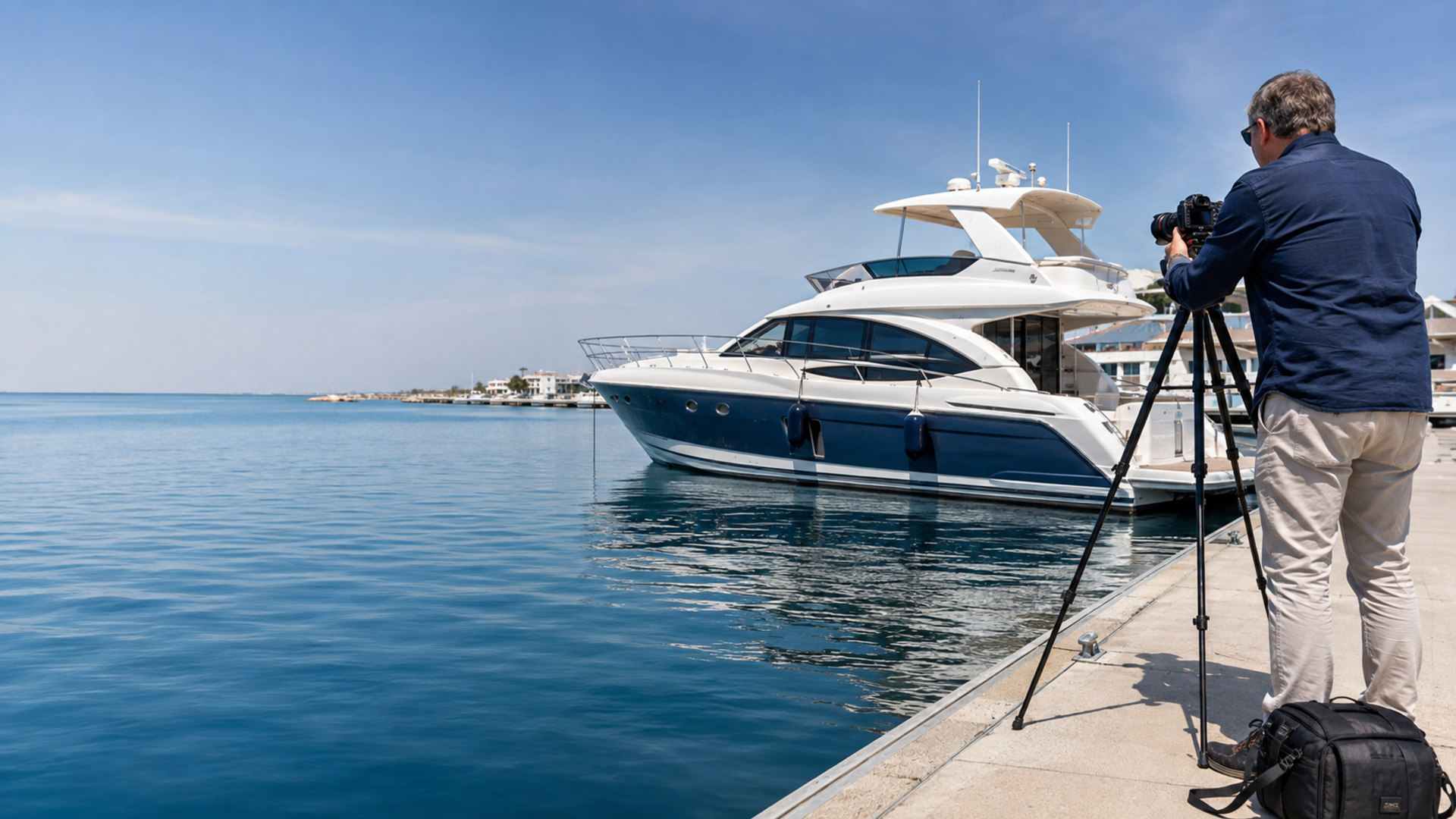
Cosa valutano gli acquirenti prima di scegliere un costruttore
Un acquirente che studia un costruttore giudica l'artigianalità e la coerenza del marchio tanto quanto il modello finito — qualità costruttiva visibile nella falegnameria e nei dettagli di finitura, una voce di marchio coerente in ogni post, e prove che la filosofia di design del costruttore si ritrovi in tutta la gamma. Foto e video del processo costruttivo reale, non solo scatti in posa della barca finita, sono il primo elemento su cui viene giudicato il feed di un costruttore.
Ciò che spinge un acquirente che sta solo guardando verso una richiesta a un rivenditore è la desiderabilità e la specificità. Un post che spiega le scelte di design di un modello nel linguaggio dell'acquirente, una campagna di lancio che costruisce attesa reale, una voce di marchio abbastanza coerente da far riconoscere il costruttore all'istante — ognuno di questi segnali indica un marchio che merita l'impegno ponderato che rappresenta una nuova costruzione. Gli acquirenti che confrontano i cantieri ricordano quale marchio sembrava più affermato e più desiderabile, non quale pubblicava più spesso.
Per questo la disciplina non può essere delegata a un social media manager generalista che pubblica foto generiche di barche finite secondo un calendario fisso. I contenuti, la coerenza di marchio e la sequenza di lancio che trasformano gli acquirenti in fase di ricerca in caparre sono specifici al modo in cui vengono davvero prese le decisioni di nuova costruzione, e raramente sono compresi al di fuori del settore stesso.
Il coordinamento della rete di rivenditori conta qui più che in quasi ogni altro settore in cui opera MMI. I canali del costruttore stabiliscono il tono di marchio che ogni rivenditore poi riprende a livello locale, e un costruttore che fornisce ai rivenditori materiali coerenti con il brand vende in modo più uniforme in tutta la rete rispetto a uno che lascia ogni rivenditore libero di rappresentare il marchio come preferisce. Le transizioni di anno modello sono un punto di rischio particolare: un rivenditore che promuove ancora la specifica dell'anno scorso mentre il costruttore sta già anticipando quella nuova confonde gli acquirenti proprio nel momento in cui la chiarezza conta di più.
L'anatomia di un canale che costruisce domanda, non solo follower
L'infrastruttura che conquista la domanda è specifica per i costruttori di barche. Un calendario editoriale costruito attorno a documentazione costruttiva reale — laminazione dello scafo, falegnameria, installazione degli impianti — che dimostra l'artigianalità attraverso il processo, non per affermazione. Campagne di lancio modello sequenziate per costruire attesa prima ancora che un modello sia disponibile alla visione. Una voce di marchio e un'identità visiva coerenti in ogni post, perché la coerenza di marchio è ciò che gli acquirenti ricordano. E materiali pronti per i rivenditori forniti secondo un calendario, così tutta la rete vende dallo stesso materiale aggiornato.
Attorno a questa infrastruttura si collocano i contenuti che costruiscono davvero domanda: contenuti del giorno di consegna e della prima uscita in mare che mostrano la ricompensa emotiva della proprietà, contenuti tecnici esplicativi che dimostrano un pensiero di design reale, e contenuti dalle fiere nautiche che estendono la portata di un evento fisico ben oltre chi vi ha partecipato. È qui che il nostro lavoro di marketing digitale per costruttori di barche e i nostri canali social si sovrappongono deliberatamente: sia a pagamento sia organico costruiscono lo stesso desiderio di marchio nello stesso acquirente in fase di ricerca.

Il motore dei contenuti: il tuo vero canale di domanda
La maggior parte dei costruttori tratta i social media come decorazione di marchio, quando in pratica è il luogo dove una quota crescente di acquirenti si forma un'opinione del marchio prima ancora di contattare un rivenditore. Un programma che tratta il canale come un motore di generazione della domanda supera nettamente una presenza occasionale e non pianificata.
Il nostro è progettato attorno a un'anatomia collaudata: un calendario di documentazione costruttiva che dimostra l'artigianalità in modo continuo, sequenze di lancio modello che costruiscono attesa reale, e distribuzione di materiali per i rivenditori che mantiene tutta la rete coerente nelle vendite. Attorno al motore si trova un'infrastruttura che gli acquirenti non vedono mai: link con tag UTM dalla bio ai moduli di ricerca rivenditore e di richiesta, linee guida di marchio che mantengono ogni post riconoscibile, e reportistica mensile che separa le richieste realmente indirizzate dai rivenditori dall'engagement fine a se stesso.
La portata internazionale conta di più per i costruttori che per quasi ogni altro settore, perché i mercati di esportazione spesso rappresentano la maggioranza delle vendite. Un calendario editoriale che pianifica per i due o tre mercati di esportazione più grandi, non solo per il mercato interno, intercetta acquirenti che un feed rivolto solo al mercato nazionale perde silenziosamente, e questa pianificazione dovrebbe estendersi anche alla lingua, non solo alla geografia, ovunque una quota reale di acquirenti legga in una lingua diversa dall'inglese.
Quanto vale un social media marketing migliore, in numeri
Il caso commerciale per un programma di social media gestito professionalmente non è folklore; è misurabile. La ricerca di Stanford sulla credibilità web ha rilevato che circa il 75% degli utenti giudica la credibilità di un'azienda solo dal design e dalla presentazione — per un costruttore, questo giudizio determina se un acquirente arriva persino a contattare un rivenditore. La ricerca di Google colloca la prima impressione visiva a circa 50 millisecondi, e ha rilevato che il 53% dei visitatori da mobile abbandona le pagine che impiegano più di tre secondi a caricare; gli studi di settore sulla conversione stimano costantemente che ogni secondo di ritardo in più costi circa il 7% delle conversioni, un costo che si applica altrettanto direttamente a una pagina modello a caricamento lento condivisa dai social. In termini per un costruttore l'aritmetica è diretta: un singolo ordine di nuova costruzione può valere ben oltre sei cifre, quindi se un social media marketing migliore per i costruttori di barche conquista anche un solo ordine aggiuntivo a trimestre, ripaga il costo del programma molte volte quasi immediatamente.
Questi ritorni si accumulano in un modo che un feed non gestito non può eguagliare. Un programma ben gestito continua a costruire desiderabilità di marchio man mano che il calendario editoriale matura, convertendo in richieste ai rivenditori una quota crescente di acquirenti in fase di ricerca via via che crescono la libreria di documentazione costruttiva e il riconoscimento del marchio, mentre un feed trascurato va nella direzione opposta, con gli acquirenti che si affidano di default al marchio che sembra più aggiornato e più affermato. Questo divario si allarga a ogni ciclo di modello in cui un costruttore lascia il proprio canale sotto-presidiato, e raramente si chiude una volta che un marchio concorrente prende il sopravvento in desiderabilità percepita.
La stessa aritmetica funziona anche al contrario. Un costruttore con un canale scarno o incoerente non è semplicemente meno visibile, sta silenziosamente perdendo il confronto di marchio che ogni acquirente ponderato effettua prima ancora di parlare con un rivenditore, e quel confronto avviene comunque, che il costruttore ne faccia parte o no.
Cosa include un progetto MMI
Un unico programma responsabile per i costruttori di barche: strategia di canale e calendario di contenuti di documentazione costruttiva; sequenza delle campagne di lancio modello; linee guida di marchio e gestione della coerenza; distribuzione di materiali pronti per i rivenditori; contenuti dei momenti del proprietario per il giorno di consegna e la prima uscita; e reportistica mensile legata alle richieste indirizzate dai rivenditori, non solo ai like. La realizzazione del programma parte da €4.500 con una gestione tipicamente da €1.200 a €3.000 al mese, a prezzo fisso e comunicato per iscritto prima dell'inizio del lavoro. L'impostazione del primo anno include un documento completo di linee guida di marchio costruito attorno alla tua identità esistente, senza costi aggiuntivi.
Dopo la realizzazione iniziale, la maggior parte dei costruttori ci affida la gestione del canale tutto l'anno, documentando le nuove costruzioni man mano che procedono e sequenziando le campagne di lancio attorno al calendario dei modelli. Leggi la nostra storia per scoprire perché esiste questo modello di gestione continuativa.
Testato dove i marchi dei costruttori competono davvero
Non chiediamo ai costruttori di fidarsi di un portfolio in astratto. I modelli dei costruttori transitano costantemente su brokerbarche.com e yachtbrokersgreece.com, le piattaforme di brokerage che gestiamo, così vediamo direttamente quali marchi mantengono il valore di rivendita e l'appetibilità per gli acquirenti anni dopo il varo, non solo al salone nautico. Quando specifichiamo un approccio basato sulla coerenza del marchio o una sequenza di lancio nell'account di un cliente, ciò è informato dall'osservazione del reale comportamento di rivendita, non dalla teoria. Standard e contesto di mercato derivano dagli enti di settore che seguiamo — NMMA, MYBA e ICOMIA — non semplice folklore di marketing.
Questa esperienza operativa è anche il motivo per cui i nostri capitolati sono precisi: sappiamo quali contenuti costruiscono davvero domanda di marchio per una data gamma di modelli e fascia di prezzo di un costruttore, quali post i rivenditori usano davvero e gli acquirenti ricordano davvero, e presentiamo ogni proposta suddivisa per risultati anziché per gergo di consegna. Tracciamo ogni richiesta fino alla campagna o al post che l'ha generata, quindi la reportistica che inviamo è un registro di domanda, non un elenco di impressioni erogate.