The commercial challenge
High-value marine purchases are research-led. Prospective owners may arrive with a particular model in mind, a broader interest in power catamarans, or a question about how a twin-hull platform compares with a conventional power boat. The website therefore had to support more than a single product pitch.
The first challenge was range clarity. Four vessels needed individual identities while still feeling like part of one coherent Revolution brand. The second was information architecture: visitors should not have to search through a generic gallery or long brochure to find the model relevant to them. The third was conversion. Every page needed to support a sensible next step without overwhelming an early-stage visitor with aggressive sales prompts.
A fourth challenge was operational. A premium visual presence is useful only when the people responsible for marketing and sales can build on it. The site needed a structure that could accept new model information, editorial content and conversion tools without requiring a redesign each time the commercial team learned something new.
What Marine Marketing International built
MMI created a focused marine website architecture that separates brand-level storytelling from model-level research. The homepage introduces the proposition and routes visitors towards the relevant part of the range. Dedicated pages then give each vessel a clear place in the site rather than forcing every model into one undifferentiated catalogue.
A four-model product structure
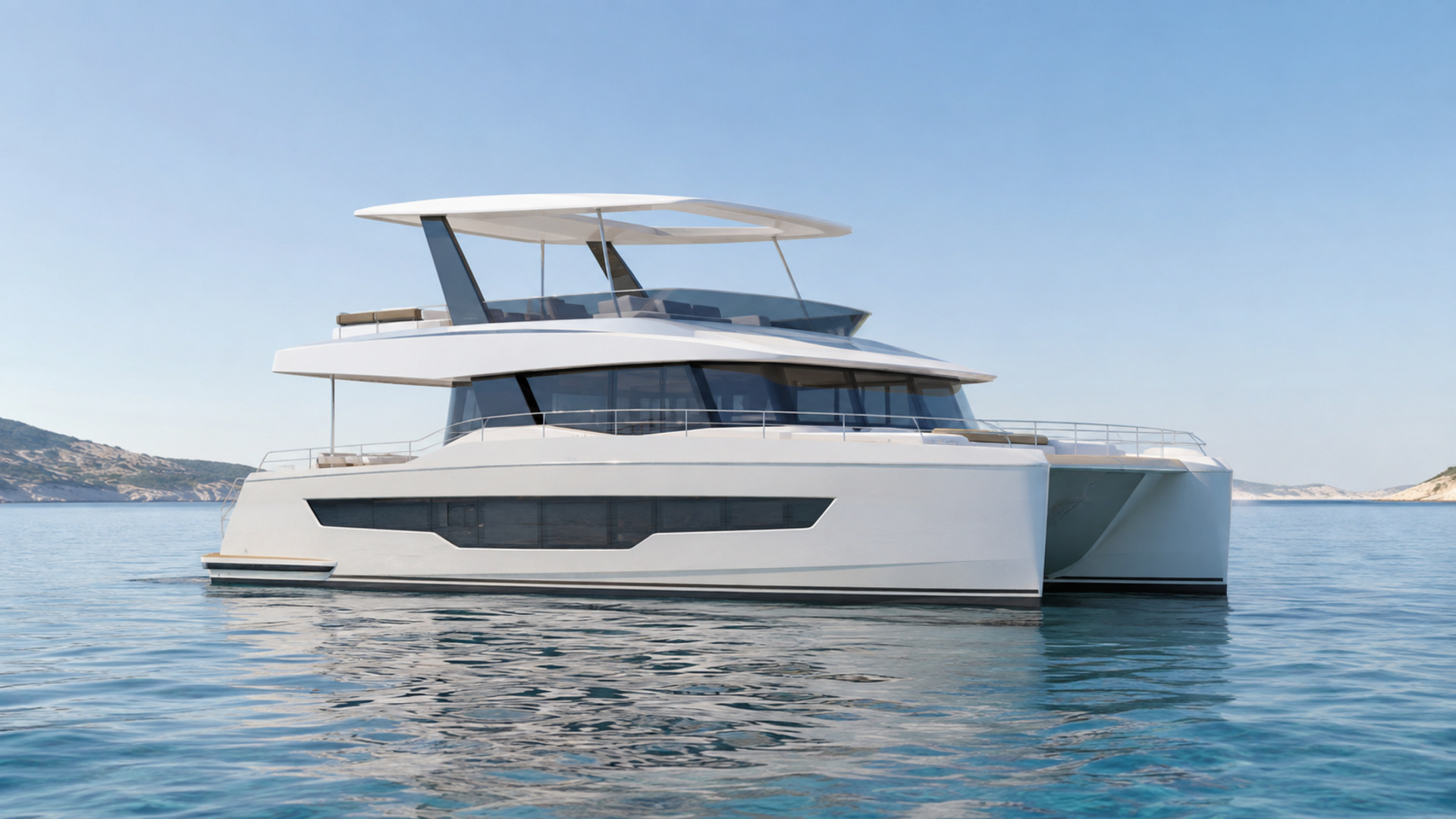
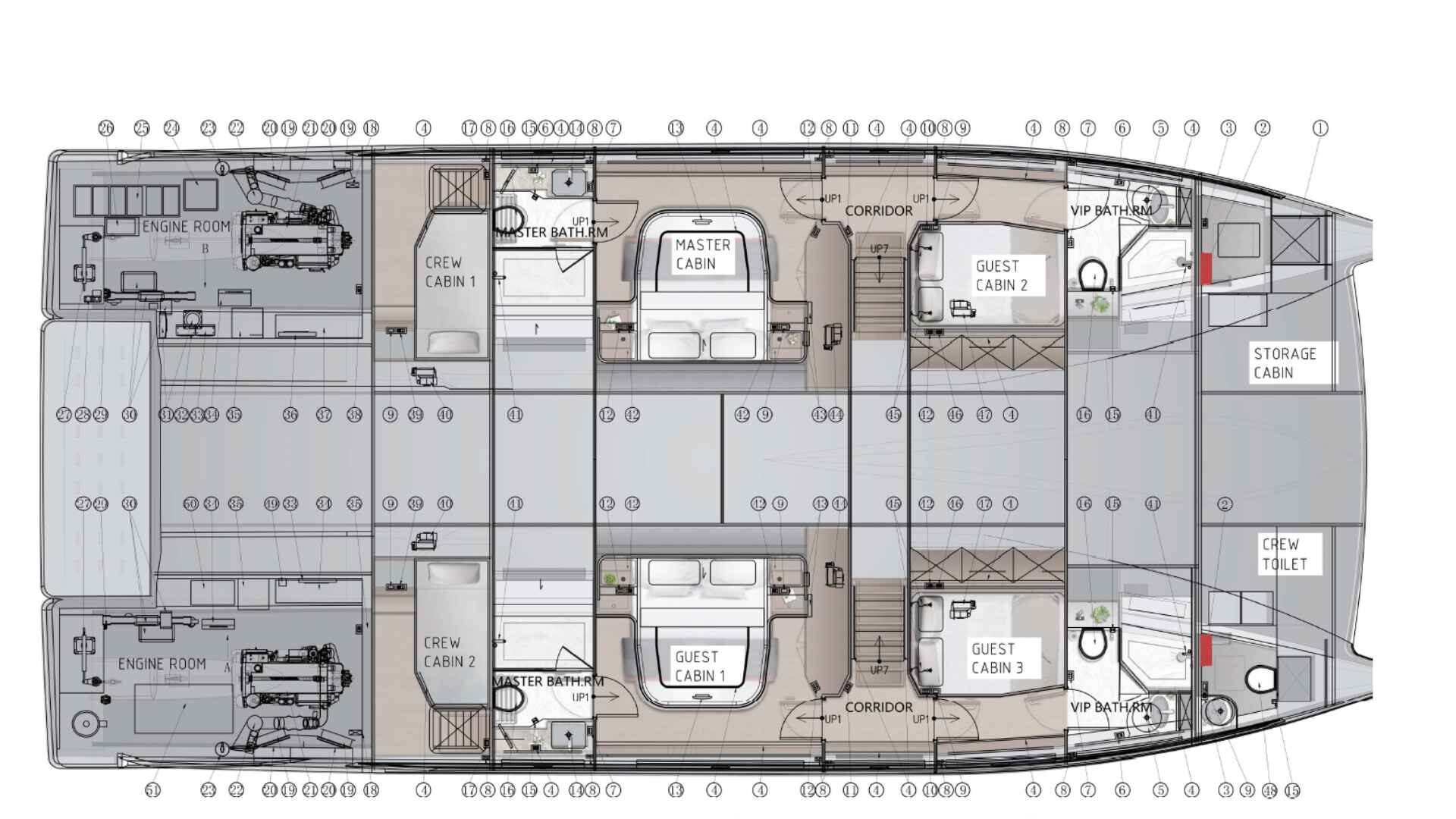
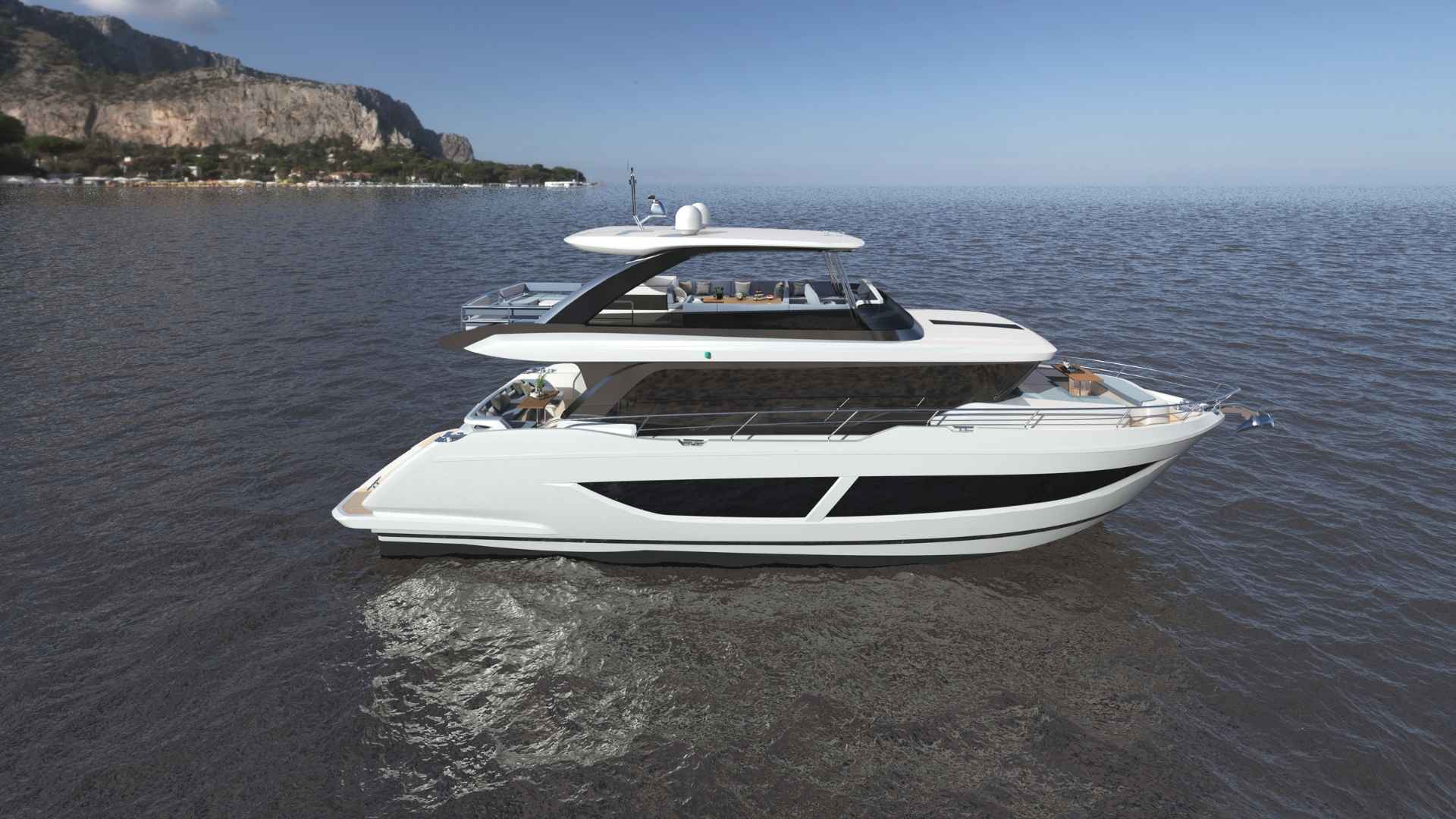
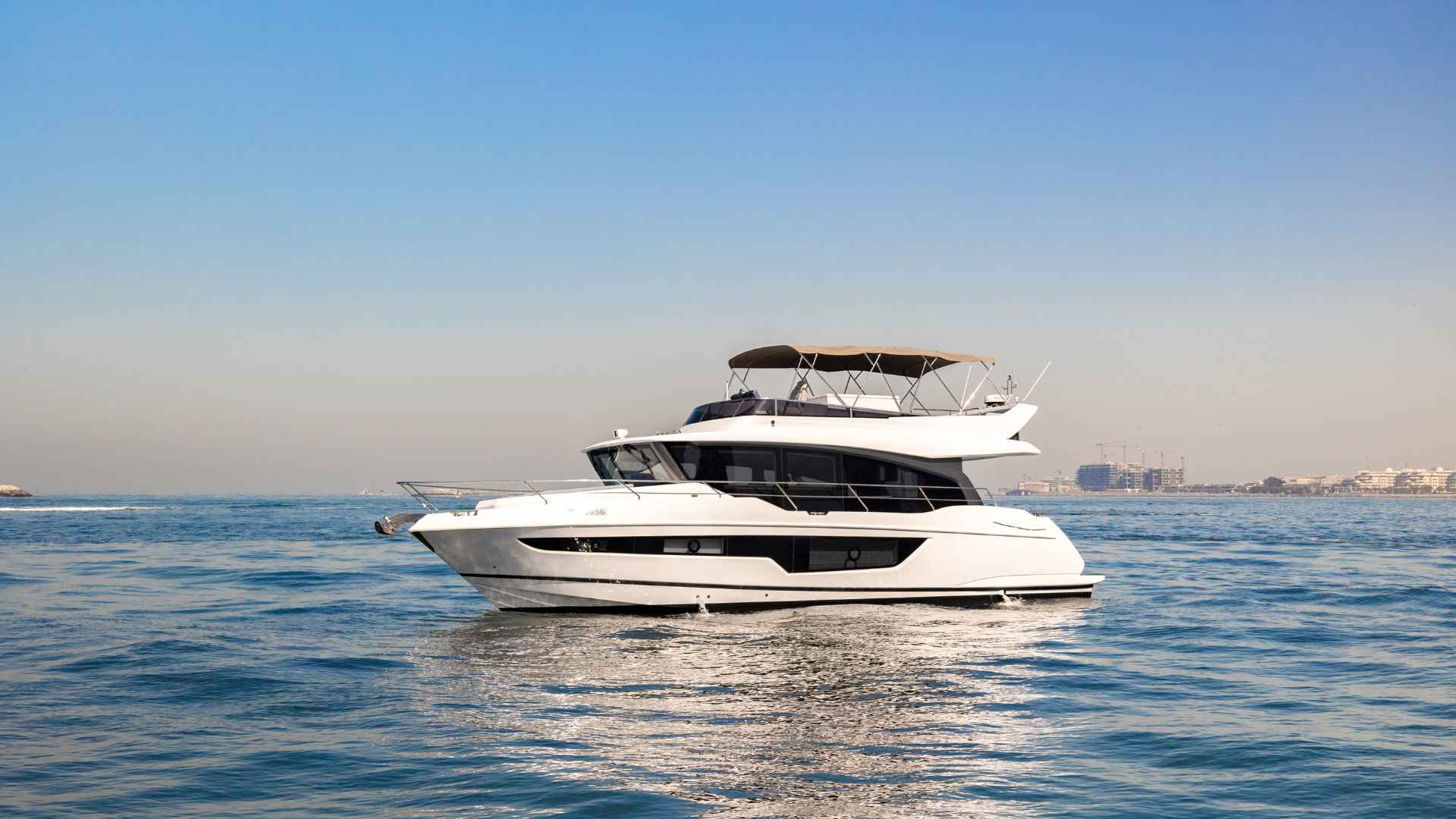
The Revolution Power Catamarans website presents the S60 Motor and S60 Eco as power-catamaran options, alongside the X62 and X53 power boats. This separation helps people orient themselves by vessel type and then explore an individual model. It also gives each model a stable URL and a defined search purpose.
The structure supports comparison without pretending that every buyer follows the same route. Someone interested in efficient cruising can begin with the S60 Eco. A visitor looking at a different style of performance boat can move towards the X-series pages. The shared navigation maintains brand continuity while the individual destinations preserve the identity of each vessel.
Brand and visual direction
The visual system uses large-format marine photography, restrained typography and generous spacing to keep the vessels central. The design is intended to feel premium without becoming decorative for its own sake. Model imagery, descriptive copy and calls to action work together so that a visitor can move from first impression to practical investigation.
Search-ready content architecture
Model pages form the commercial core, while supporting guides and location-focused content create room for useful discovery topics. This does not guarantee rankings, and we do not present it as doing so. It creates the technical and editorial foundation required for ongoing search work: distinct topics, crawlable pages, internal links and clearer relevance signals.
That distinction is important. Publishing a large number of pages is not a strategy by itself. Each destination needs a defined question or buying task, a connection to a commercial model page and a reason to exist. MMI’s ongoing work is therefore centred on useful topic coverage and internal pathways rather than volume alone. The same principle guides our broader marine SEO services.
A clearer buyer journey
The site is designed around several levels of intent. A visitor at the beginning of the process can explore the brand and vessel categories. Someone comparing options can move directly to model information. A more advanced prospect can use the enquiry routes to begin a conversation.
This layered approach matters in the marine sector because the sales cycle is rarely linear. A prospective buyer may return repeatedly, share a page with an adviser or partner, and compare several vessels before making contact. Consistent navigation and model-specific URLs make those return journeys easier.
Calls to action with context
Calls to action are placed where they follow naturally from the content. Instead of treating every visitor as ready to buy immediately, the site supports exploration before requesting contact. That balance helps preserve the premium character of the brand while still keeping commercial routes visible.
Information that supports a conversation
A model page has to do more than display a photograph. It should establish what the vessel is, who it may suit and what the visitor can do next. The content framework allows technical information and approved assets to be added in a predictable order. This makes it easier for a prospect to arrive at a sales conversation with useful context, while giving the team a precise page to reference in follow-up.
A platform for sales and marketing
The website is not being treated as a finished brochure. It is the base for the next stage of lead capture, CRM routing, sales follow-up and measurable content development. That reflects MMI’s wider approach to marine marketing: design, content, search and sales systems should reinforce one another.
A practical marketing foundation
The live platform gives the project a coherent place from which to run campaigns, publish supporting content and improve conversion. It also makes measurement more meaningful. When model pages, enquiry routes and traffic sources are clearly separated, future reporting can show which journeys are producing qualified conversations instead of treating every visit as identical.
Designed for measured improvement
The current case study does not publish enquiry totals, ranking gains or sales attribution because those figures require a defined measurement period and verified records. The framework is being prepared so that future evidence can be connected to specific pages and stages of the buyer journey. That is more useful than adding a headline number without explaining its source.
MMI can then use the evidence to refine page order, calls to action, follow-up and supporting content. The objective is a repeatable learning cycle: observe how qualified visitors move, identify friction, improve the relevant step and measure again.
Built to connect with CRM
A website enquiry becomes commercially valuable when it reaches the correct people with enough context for a timely response. The next systems phase connects forms, source information and consent choices to CRM records. It also separates direct project enquiries from marketing subscriptions, so operational follow-up and newsletter consent are not confused.
Content that can grow with the project
The information architecture allows new approved specifications, availability information, guides and project updates to be added around a stable commercial core. This reduces the risk of disconnected landing pages competing with one another or leaving visitors without a route back to the models. It also supports multilingual or regional expansion if that becomes commercially appropriate.
What the live foundation now supports
- A single brand platform for two power-catamaran models and two power-boat models.
- Dedicated model destinations that can be expanded as approved material becomes available.
- A navigation structure that supports both broad exploration and model-specific research.
- Search-friendly separation between commercial model pages and supporting editorial content.
- Clear routes from discovery to direct enquiry.
- A practical base for CRM, attribution and follow-up improvements.
For other examples of this approach, see our work for Noleggio barche Baleari, BrokerBarche e Broker Nautici Grecia. You can also review MMI’s marine web design approach.
The next phase
The project remains active. The next phase is to deepen the commercial evidence around the website: approved project screenshots, model-specific assets, tracked enquiries, sales-stage reporting and search-performance data. Those additions will allow the case study to report outcomes with the same care used to describe the work.
Until that evidence is available, we are deliberately avoiding unverified numbers. The value of the current work is the foundation now in place: a coherent brand presence, distinct model journeys and a structure ready for systematic marketing rather than disconnected campaigns.
The case study will be updated as the project progresses. That includes replacing provisional imagery where necessary, adding confirmed commercial context and documenting measurable changes only after the relevant data has been checked.
Frequently asked questions about this marine website case study
What did MMI deliver for Revolution Power Catamarans?
MMI developed the website structure, model-led content architecture, visual presentation and conversion journey for the Revolution range. Ongoing work covers the marketing and sales systems that build on this foundation.
Which vessels are presented on the website?
The current range comprises the S60 Motor and S60 Eco power catamarans, plus the X62 and X53 power boats.
Are performance results included in this case study?
Not yet. Verified lead, sales and search data will be added when a meaningful measurement period and approved evidence are available.
Why use separate pages for each vessel?
Separate model destinations make the range easier to explore, give sales follow-up a precise reference and allow each page to answer a distinct set of buyer questions.
How does the website connect with the sales process?
The structure creates defined enquiry paths that can be connected to forms, source tracking, CRM records and follow-up.
Can MMI build a similar system for another marine business?
Yes. The exact structure depends on the offer, audience and sales process.
Planning a marine website or sales system?
MMI connects positioning, website architecture, search content and sales follow-up so a marine business has one coherent route from visibility to enquiry. Tell us what you sell, where the current process loses momentum and what a qualified opportunity looks like.
If you prefer, open the contact page or review our selected marine work.